The Performance Paradox: Why Your Best Employees Are Aging Faster Than They Should
You know the type. They’re in every boardroom across the world —sharp minds, relentless work ethic, always available, never complaining. By 40, they look 55.

You know the type. They’re in every boardroom across the world —sharp minds, relentless work ethic, always available, never complaining. By 40, they look 55.

Auditing personal energy is about intentionally checking where your physical, mental, and emotional “fuel” is going so you can perform at a high level without

Procrastination is a universal human experience, often dismissed as a simple lack of discipline or poor time management. However, research consistently shows that procrastination is rooted in complex emotional processes, closely tied to stress, mental fatigue, self-esteem, and our broader sense of well-being and longevity. Understanding these connections is crucial for effective stress management and optimizing performance and energy in daily life.
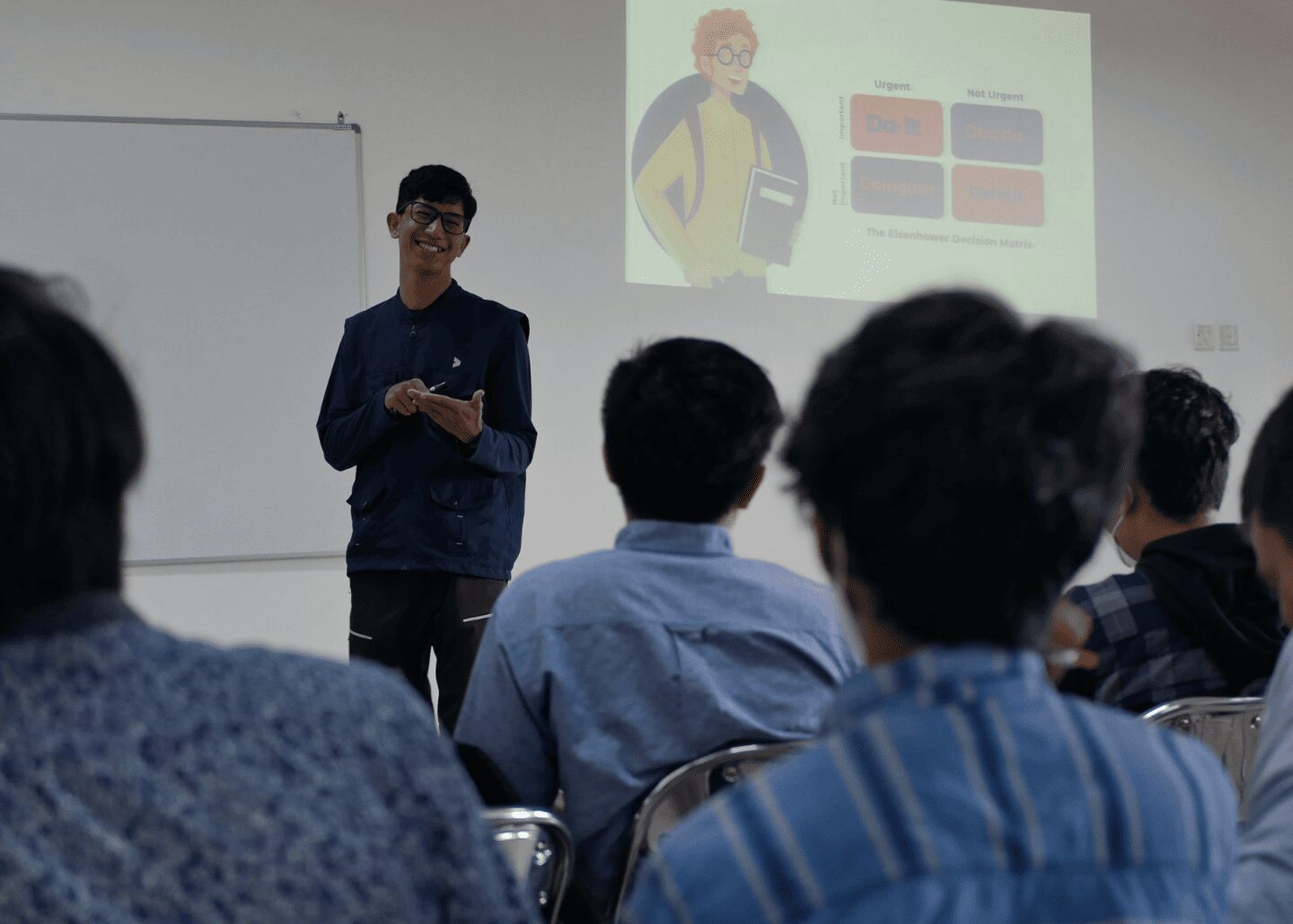
Procrastination is a universal human experience, often dismissed as a simple lack of discipline or poor time management. However, research consistently shows that procrastination is rooted in complex emotional processes, closely tied to stress, mental fatigue, self-esteem, and our broader sense of well-being and longevity. Understanding these connections is crucial for effective stress management and optimizing performance and energy in daily life.

Procrastination is a universal human experience, often dismissed as a simple lack of discipline or poor time management. However, research consistently shows that procrastination is rooted in complex emotional processes, closely tied to stress, mental fatigue, self-esteem, and our broader sense of well-being and longevity. Understanding these connections is crucial for effective stress management and optimizing performance and energy in daily life.

Procrastination is a universal human experience, often dismissed as a simple lack of discipline or poor time management. However, research consistently shows that procrastination is rooted in complex emotional processes, closely tied to stress, mental fatigue, self-esteem, and our broader sense of well-being and longevity. Understanding these connections is crucial for effective stress management and optimizing performance and energy in daily life.

In our fast-paced world, the quality of our decisions is intrinsically tied to our daily energy levels. As we navigate through countless choices each day,

In our fast-paced, always-on world, the concept of rest has become almost taboo. We’re constantly bombarded with messages glorifying the hustle, celebrating long hours, and equating busyness with success. However, this relentless pursuit of productivity often leads to burnout, fatigue, and a severe imbalance in our work-life equation. It takes courage to step back and prioritize rest in a culture that seems to value constant activity above all else.

In today’s fast-paced work environment, understanding how your job affects your long-term health is crucial. Various workplace factors can significantly influence your longevity, from stress and burnout to work-life balance and sleep patterns. This article explores these key elements and their impact on your lifespan.

Landing your dream job is a thrilling achievement. Visions of career success dance in your head, and a surge of motivation fills your sails. But hold on a second, Captain New Hire! Before you set sail on this exciting adventure, be prepared for a potential storm: fatigue.